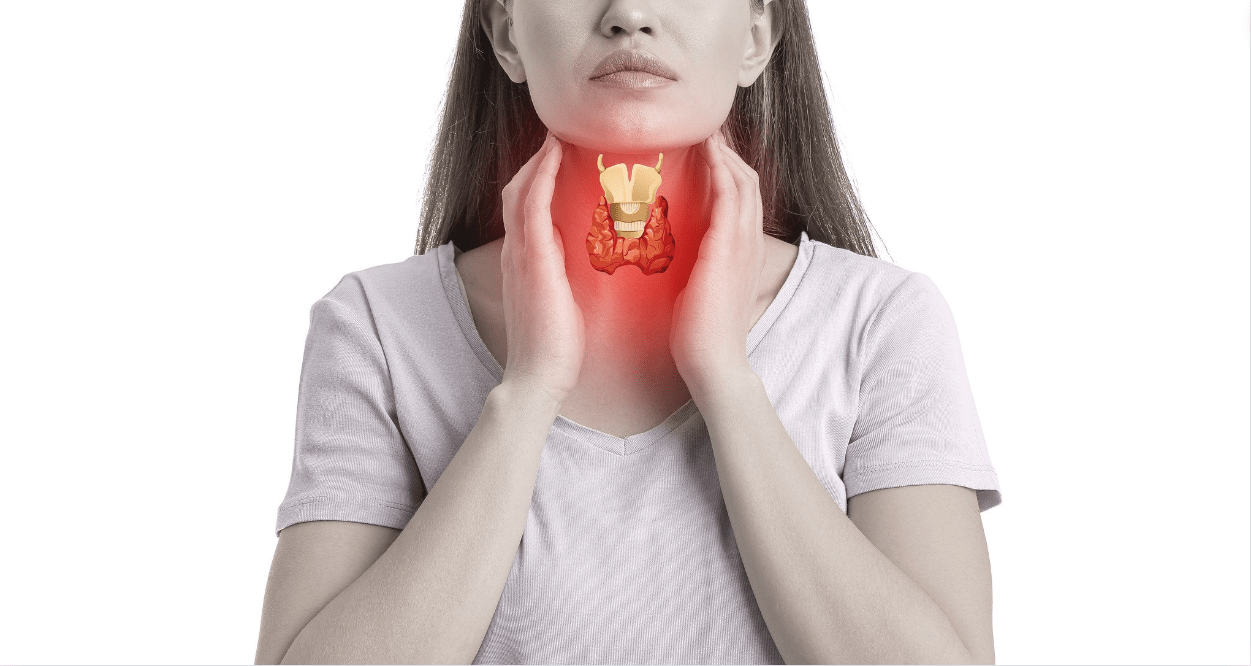
Hypothyroidism is a condition in which the thyroid gland does not produce enough thyroid hormones, leading to a slowdown in metabolism, heart rate, digestion, and overall body functions. It is common, especially in women and older adults. With proper diagnosis, treatment, lifestyle management, and complementary therapies like homeopathy (used alongside standard care), hypothyroidism can usually be well controlled.
What Is Hypothyroidism (Underactive Thyroid)?
Hypothyroidism occurs when the thyroid gland fails to produce adequate thyroxine (T4) and triiodothyronine (T3). This hormonal deficiency leads to fatigue, weight gain, cold intolerance, constipation, hair fall, and several other symptoms.
The most common cause worldwide is autoimmune thyroiditis (Hashimoto’s disease). Other causes include thyroid surgery, certain medicines, radiation exposure, and iodine imbalance.
Causes of Hypothyroidism
- Autoimmune thyroid disease (Hashimoto’s thyroiditis)
- Thyroid surgery or radioactive iodine therapy for hyperthyroidism or thyroid cancer
- Radiation therapy to the neck or upper chest
- Medications (amiodarone, lithium, interferon)
- Iodine deficiency (or excess iodine)
- Thyroiditis (post-pregnancy or after viral illness)
- Congenital hypothyroidism in newborns
- Pituitary or hypothalamic disorders affecting TSH production
Symptoms of Hypothyroidism
Symptoms appear gradually and may be mild early on, leading to late diagnosis.
Common Hypothyroidism Symptoms
- Fatigue and excessive sleepiness
- Weight gain or difficulty losing weight
- Feeling unusually cold; cold hands and feet
- Dry skin, hair fall, brittle nails
- Constipation
- Puffiness of face and eyes
- Menstrual irregularities, heavy periods, fertility issues
- Slow heart rate, high cholesterol
- Muscle cramps, joint pains
- Depression, low mood, brain fog, concentration issues
Complications of Untreated Hypothyroidism
- High cholesterol and heart disease
- Infertility
- Peripheral nerve damage
- Myxedema coma (rare but life-threatening emergency)
Diagnosis of Hypothyroidism
Diagnosis relies mainly on blood tests that measure thyroid hormones and pituitary function.
Key Tests
- TSH (Thyroid-Stimulating Hormone): high in primary hypothyroidism
- Free T4: usually low
- Thyroid antibodies (Anti-TPO, Anti-TG): confirm Hashimoto’s disease
Additional Tests
- Lipid profile, anemia profile, liver/kidney function
- Ultrasound if goiter or nodules are suspected
Subclinical Hypothyroidism
TSH is mildly elevated while free T4 is normal. Treatment depends on:
- TSH level
- Symptoms
- Pregnancy status
- Antibody levels
- Age and cardiovascular risk
Treatment of Hypothyroidism
The main treatment is thyroid hormone replacement with levothyroxine, taken once daily.
How Levothyroxine Is Taken
- On an empty stomach, 30–60 minutes before breakfast
- With water, without other medicines
- Dose based on body weight, age, and health conditions
- TSH rechecked every 6–8 weeks until stable
- Once stable, tests every 6–12 months
Special situations:
- Pregnant women or those planning pregnancy need higher doses and closer monitoring
- T3 combination therapy is rarely needed and only under specialist supervision
Homeopathic Doctors’ View in Treating Hypothyroidism
Homeopathic practitioners consider hypothyroidism a chronic, constitutional imbalance influenced by genetics, emotions, stress, and lifestyle—not merely a hormone deficiency.
What Homeopathy Aims to Do
- Improve vitality and overall well-being
- Support energy, mood, menstrual balance, and sleep
- Reduce stress, anxiety, and emotional triggers
- Complement standard thyroid therapy
- Help stabilize symptoms or thyroid levels in selected cases (based on case reports)
Evidence note: Case series and studies report improvements with individualized homeopathy. Patients should never stop levothyroxine without endocrinologist supervision.
Preventive Measures and Lifestyle Tips
Lifestyle changes do not cure autoimmune hypothyroidism, but they support metabolism, heart health, and energy.
Helpful Lifestyle Measures
- Take thyroid medicine correctly and consistently
- Regular doctor follow-up and TSH monitoring
- Balanced diet and regular physical activity
- Adequate sleep and stress management (yoga, meditation)
- Avoid smoking; limit alcohol
- Maintain healthy weight
People with family history or autoimmune risk should remain alert to symptoms and seek medical evaluation when needed.
Diet Suggestions for Hypothyroidism
There is no single “thyroid diet,” but certain nutrients support hormone production and metabolism.
Nutrients to Focus On
- Iodine: iodized salt, dairy, eggs, fish (avoid supplements unless advised)
- Selenium: Brazil nuts, fish, eggs, whole grains
- Zinc: nuts, seeds, legumes, meat
- Iron & B-vitamins: leafy greens, lentils, eggs, fortified foods
Foods Encouraged
- Colorful vegetables, leafy greens
- Fruits (especially antioxidant-rich)
- Whole grains: oats, quinoa, millets
- Lean protein: fish, poultry, eggs, beans
- Healthy fats: nuts, seeds, olive oil
- Plenty of water
Foods to Be Mindful Of
- Large amounts of raw goitrogenic vegetables (broccoli, cabbage, cauliflower, soy)
- Highly processed foods, excessive sugar
- Trans fats, deep-fried foods
- Excess soy
- High-fiber meals at the same time as thyroid medication
- Iron or calcium supplements within 4 hours of levothyroxine
Practical tip: Take levothyroxine on an empty stomach in the morning, wait before breakfast, and discuss supplements or major diet changes with your doctor.
FAQs on Hypothyroidism
- What are early signs of hypothyroidism?
- Can hypothyroidism cause weight gain or hair fall?
- How long does it take to treat hypothyroidism?
- What is subclinical hypothyroidism?
- Can homeopathy help hypothyroidism?
- Which foods support thyroid function?
- Is hypothyroidism lifelong?
- Can I exercise with hypothyroidism?