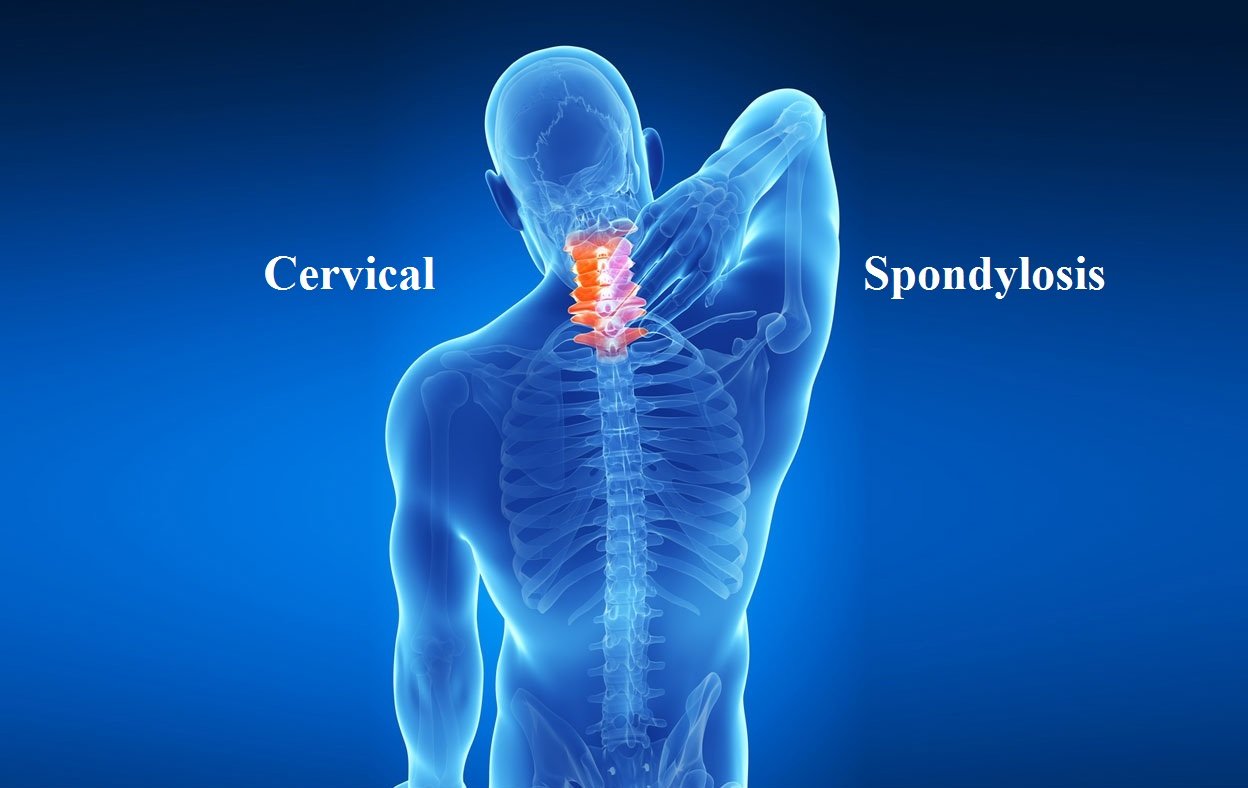
Spondylosis, also known as spinal osteoarthritis, is an age-related degeneration of the:
- Vertebrae
- Intervertebral discs
- Facet joints
- Ligaments of the spine
It most commonly presents as:
- Cervical spondylosis (neck region)
- Lumbar spondylosis (lower back)
- Thoracic spondylosis (less common)
With aging, spinal discs dry out, shrink, and lose flexibility, while joints develop wear, bone spurs (osteophytes), stiffness, and sometimes nerve compression.
Causes & Risk Factors of Spondylosis
(“risk factors for cervical spondylosis,” “causes of lumbar spondylosis,” “age-related spine degeneration.”)
Top Causes
- Natural aging and disc dehydration
- Loss of disc height leading to pressure on joints
- Bone spur (osteophyte) formation
- Ligament thickening (ligamentum flavum hypertrophy)
- Facet joint arthritis
- Narrowing of the spinal canal (spinal stenosis)
These changes can cause nerve root compression → radiating pain, numbness, tingling, or weakness.
Risk Factors
- Poor posture and prolonged sitting
- Sedentary lifestyle
- Heavy lifting or repetitive strain
- Obesity
- Smoking
- Previous spinal injury
- Genetic predisposition
- Jobs involving vibration (drivers, machine operators)
- Age above 40
Symptoms of Cervical & Lumbar Spondylosis
(“cervical spondylosis symptoms,” “neck pain radiating to arms,” “nerve compression in neck.”)
Cervical Spondylosis Symptoms (Neck Region)
- Chronic neck pain
- Neck stiffness
- Headaches
- Shoulder/arm pain
- Tingling, numbness in hands
- Weak grip strength
- Limited neck movement
Signs of Cervical Myelopathy (Serious)
- Clumsiness in hands
- Difficulty walking or balancing
- Weakness in arms or legs
- Bowel or bladder changes
Lumbar Spondylosis Symptoms (Lower Back)
(“lumbar spondylosis symptoms,” “sciatica due to spondylosis,” “lower back nerve compression.”)
- Lower back pain and stiffness
- Sciatica (leg pain radiating downward)
- Numbness, tingling in legs
- Leg weakness
- Muscle spasms
- Difficulty standing/walking long periods
Red Flag Symptoms (Urgent Care Needed)
- Progressive leg weakness
- Difficulty controlling bladder/bowel
- Severe night pain
- Saddle anesthesia
Diagnosis of Spondylosis (Tests & Imaging)
(“diagnosis of cervical spondylosis,” “MRI for back pain,” “tests for spondylosis.”)
Clinical Examination Includes
- Posture and spine alignment
- Neck and lumbar mobility
- Neurological testing
- Reflexes
- Sensory and muscle strength testing
- Signs of radiculopathy or myelopathy
Diagnostic Imaging
- X-ray: disc space narrowing, bone spurs
- MRI: discs, nerves, spinal cord compression
- CT scan: detailed bone anatomy
- EMG/Nerve conduction studies: confirm nerve involvement
Non-Surgical Treatment, Physiotherapy & Yoga for Spondylosis
Most cervical and lumbar spondylosis cases improve with conservative treatment.
Physiotherapy (Most Effective First-Line Treatment)
(“cervical spondylosis physiotherapy,” “lumbar spondylosis exercises,” “best exercises for neck pain.”)
- Neck and back strengthening
- Posture correction
- Spinal mobilization
- Traction therapy (cervical)
- Heat/ultrasound therapy
- Core strengthening (lumbar)
- Stretching exercises
Lifestyle Modifications
- Ergonomic workspace
- Avoid long hours on screen
- Avoid heavy lifting
- Regular walking
- Maintain ideal weight
- Correct sleeping posture
(“neck pain treatment at home,” “lumbar spondylosis home care,” “ergonomics for back pain.”)
Surecare Homeopathic Doctors’ View on Spondylosis
(“homeopathic treatment for cervical spondylosis,” “natural remedies for lumbar spondylosis,” “holistic neck and back pain treatment.”)
We consider spondylosis a constitutional, chronic degenerative condition involving:
- Intervertebral discs
- Ligaments
- Nerves
- Emotional and stress-related components
Goals of Homeopathic Treatment
- Reduce stiffness and inflammation
- Ease nerve compression symptoms
- Improve mobility
- Strengthen supporting tissues
- Prevent recurrences
- Correct posture and lifestyle habits
Prevention & Long-Term Spine Care
(“cervical spondylosis prevention,” “posture correction for neck pain,” “how to prevent back degeneration.”)
Daily Habits to Prevent Spondylosis
- Maintain neutral spine posture
- Use ergonomic chairs
- Avoid text-neck (don’t bend head forward)
- Take breaks every 30–45 minutes
- Strengthen neck, back, and core
- Avoid smoking
- Sleep on a firm mattress
- Lift weights correctly
Diet for Spondylosis & Anti-Inflammatory Nutrition
(“diet for spondylosis,” “foods for joint pain,” “anti-inflammatory diet for neck and back pain.”)
Anti-Inflammatory Foods
- Turmeric
- Ginger
- Garlic
- Leafy greens
- Berries
- Olive oil
- Nuts and seeds
Bone Health Nutrition
- Milk, curd, paneer
- Eggs
- Fish (salmon, sardines)
- Broccoli
- Almonds, sesame seeds
- Dates and figs
Foods to Limit
- Deep-fried foods
- Processed foods
- Red meat (excess)
- Sugary drinks
- Excess caffeine
- Alcohol
Conclusion
Spondylosis is a common age-related spine degeneration affecting the neck and lower back, leading to chronic pain, stiffness, and nerve compression. With proper diagnosis, physiotherapy, lifestyle correction, anti-inflammatory diet, and homeopathic support, most people can significantly reduce symptoms and prevent flare-ups.
(“cervical spondylosis treatment,” “lumbar spondylosis symptoms,” “age-related spine arthritis,” “nerve compression in neck,” “homeopathic treatment for spondylosis,” helping websites achieve better search ranking.)