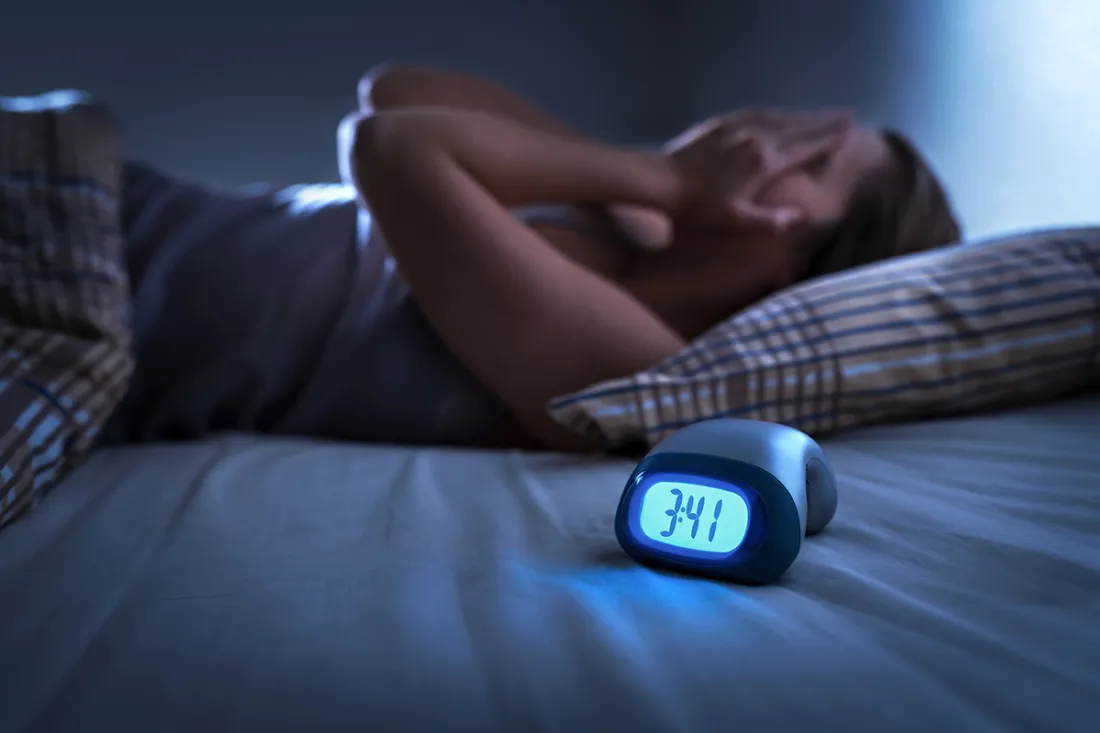
Insomnia is one of the most common sleep disorders worldwide. It involves persistent difficulty falling asleep, staying asleep, or waking up too early, often leading to daytime fatigue, irritability, poor concentration, and reduced productivity. Insomnia can be acute (short term) or chronic (long term), and is frequently linked to stress, lifestyle habits, medical conditions, or mental health issues.
This comprehensive guide explains what insomnia is, its causes, symptoms, diagnosis, treatment options, lifestyle measures, and dietary recommendations, along with an overview of the homeopathic approach.
What Is Insomnia?
Insomnia refers to dissatisfaction with sleep quality or quantity despite having enough opportunity to sleep. Individuals often wake feeling unrefreshed and experience daytime impairment such as low energy, poor focus, and irritability.
Types of Insomnia
- Acute Insomnia – lasts a few days to a few weeks, usually triggered by stress or a life event.
- Chronic Insomnia – occurs at least three nights per week for three months or more, leading to significant distress and impaired daily functioning.
Common Causes and Risk Factors
Insomnia is usually multifactorial, meaning several triggers may overlap.
1. Stress and Emotional Factors
- Work pressure
- Family or relationship issues
- Financial worries
- Grief, trauma, or life changes
2. Mental Health Conditions
- Anxiety disorders
- Depression
- Bipolar disorder
- Substance misuse
3. Medical Conditions
- Chronic pain
- Asthma, COPD
- Heart disease
- Hyperthyroidism
- Acid reflux (GERD)
- Menopausal symptoms
- Restless legs syndrome
- Sleep apnea
- Frequent urination
4. Lifestyle Habits
- Irregular sleep schedule
- Late-night screen time
- Heavy dinner or late meals
- Lack of exercise
- Long daytime naps
- Shift work or jet lag
5. Substances & Medications
- Excess caffeine or nicotine
- Alcohol
- Certain antidepressants
- Stimulants, decongestants, steroids
- Some blood pressure medications
Higher-risk groups: older adults, women (especially during hormonal transitions), individuals with chronic illnesses, and those under prolonged stress.
Symptoms of Insomnia
Night-Time Symptoms
- Difficulty falling asleep
- Repeated awakenings
- Early morning awakening
- Light, non-refreshing sleep
Daytime Symptoms
- Tiredness and low energy
- Poor concentration and memory
- Reduced work or academic performance
- Irritability, mood swings, anxiety
- Increased errors and accidents
Subtypes of Insomnia
- Sleep-onset insomnia – trouble falling asleep
- Sleep-maintenance insomnia – frequent awakenings
- Early-morning awakening insomnia – waking too early and unable to return to sleep
Diagnosis: How Doctors Evaluate Insomnia
Insomnia is diagnosed primarily through a detailed clinical history, not a single test.
- Sleep history (bedtime routine, naps, awakenings, snoring, caffeine/alcohol use)
- Review of medications and mental health
- Physical examination
- Targeted lab tests (thyroid tests, iron studies, glucose, etc.), if needed
- Sleep diary for 1–2 weeks
- Polysomnography (sleep study) if sleep apnea or movement disorders are suspected
Conventional Treatment Options
1. Cognitive Behavioral Therapy for Insomnia (CBT-I) – First Line
- Stimulus control
- Sleep restriction therapy
- Relaxation training
- Restructuring negative thoughts about sleep
2. Sleep Hygiene & Lifestyle Changes
Essential for all patients and often combined with CBT-I.
3. Medications
Short-term use may be considered if non-drug treatments are insufficient. These may include certain doctor-prescribed sleep aids. Medications should be used under medical supervision due to risks of dependence and side effects.
4. Treating Underlying Health Issues
- Managing pain
- Treating anxiety or depression
- Managing reflux or thyroid disorders
- Addressing sleep apnea or restless legs syndrome
Surecare Homeopathic Doctors’ View on Treating Insomnia
Homeopathic practitioners approach insomnia very differently from conventional medicine. Instead of focusing only on the sleep problem, homeopathy considers insomnia as a disturbance of the whole person—mind, body, habits, emotions, and lifestyle.
Holistic Understanding of Insomnia
- Emotional stress (grief, anxiety, overthinking)
- Personality traits (sensitivity, irritability, fearfulness)
- Lifestyle patterns (overwork, irregular sleep habits)
- Physical symptoms accompanying insomnia
- Past illnesses, traumas, or suppressed emotions
Individualized Case-Taking
Surecare Homeopathic treatment starts with a detailed consultation, often 45–60 minutes, covering sleep patterns, emotional triggers, stress levels, physical sensations, family history, diet, medications, and overall health.
Selecting the Right Homeopathic Remedy
- Coffea cruda – overactive mind and excitement
- Nux vomica – stress, overwork, stimulants
- Ignatia – grief or emotional shock
- Arsenicum album – anxiety-driven restlessness
- Sulphur – late-night thinking and heat
Focus on Long-Term Healing
Surecare Homeopathy aims to restore emotional stability, better stress response, improved digestion, and balanced sleep rhythm for sustainable relief.
Preventive Measures & Sleep Hygiene Tips
- Maintain a consistent sleep–wake schedule
- Avoid long daytime naps
- Create a calm, dark, cool, quiet bedroom
- Reduce screen exposure before bedtime
- Avoid caffeine, nicotine, and alcohol in the evening
- Exercise regularly (avoid late-night workouts)
- Develop a relaxing pre-sleep routine
- Use bed only for sleep and intimacy
Diet Tips for Better Sleep
- Eat light, early dinners
- Limit caffeine after late afternoon
- Reduce spicy, oily, processed foods at night
- Avoid excess fluids before bedtime
- Consider warm milk, chamomile tea, or tryptophan-rich foods if suitable
Conclusion
Insomnia is a common yet often overlooked condition that significantly impacts physical and mental well-being. With the right combination of sleep hygiene, lifestyle changes, medical evaluation, CBT-I, and complementary approaches, most people can achieve better, more restorative sleep.
Always consult qualified healthcare professionals or a homeopath before starting, changing, or combining any treatment.