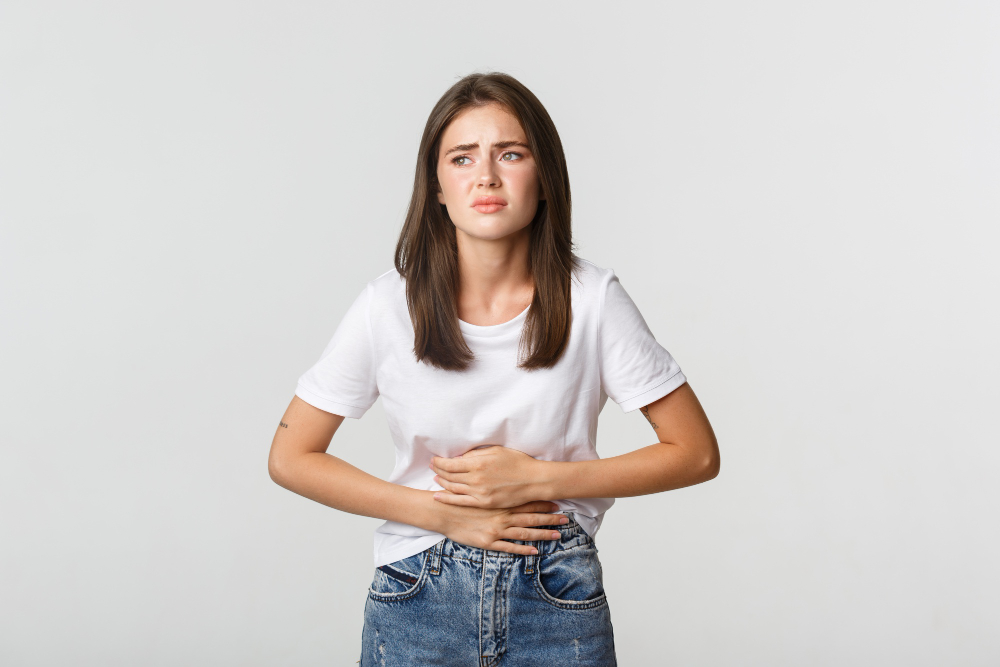
Constipation is defined as infrequent, hard, or difficult bowel movements—usually fewer than 3 per week. It may be occasional or chronic and can significantly affect quality of life.
What Is Constipation?
Constipation occurs when stool moves slowly through the colon, becomes dry or hard, and becomes difficult to pass.
There are two main types:
- Functional constipation – no structural disease but slow bowel movement, poor diet, or habits.
- Secondary constipation – due to medical conditions, medicines, or lifestyle factors.
Constipation can be uncomfortable, painful, and may cause complications like haemorrhoids or fissures if not treated early.
Causes of Constipation
Constipation usually results from a combination of dietary, lifestyle, medical, and medication-related factors. Understanding the exact cause helps choose the correct treatment and prevent recurrence.
Dietary Causes of Constipation
- Low fiber intake (few fruits, vegetables, whole grains)
- Inadequate fluid or water consumption
- High intake of processed and refined foods
- Low intake of plant-based foods
Lifestyle Causes of Constipation
- Sedentary lifestyle or prolonged sitting
- Ignoring the urge to pass stool
- Irregular meal timings
- High stress, anxiety, or depression
Medical Causes of Constipation
- Hypothyroidism
- Diabetes
- IBS-C (constipation-predominant irritable bowel syndrome)
- Neurological disorders (Parkinson’s disease, MS)
- Pregnancy and hormonal changes
- Painful conditions like fissures or hemorrhoids
- Rare causes: colon obstruction, strictures
Medication-Induced Constipation
- Opioid painkillers
- Antacids with calcium or aluminum
- Iron supplements
- Antidepressants and antihistamines
Age-Related Constipation in Older Adults
Older adults often have slower gut movement, take multiple medications, move less, and drink limited water—making constipation more common.
Symptoms of Constipation and Warning Signs
Constipation symptoms may be mild, occasional, or long-standing. Persistent constipation with red-flag symptoms requires medical evaluation.
Common Symptoms of Constipation
- Hard, dry, or lumpy stools
- Straining during bowel movements
- Feeling of incomplete evacuation
- Bloating or abdominal discomfort
- Gas, heaviness
- Less than 3 bowel movements per week
Severe Symptoms That Need Medical Attention
- Blood in stool (red or black)
- Severe abdominal pain or cramping
- Vomiting, fever, or inability to pass gas
- Unintended weight loss or anaemia
See your doctor urgently if you have severe pain, vomiting, blood in stool, or sudden change in bowel habits, as these can indicate a more serious condition.
Diagnosis of Constipation
Diagnosing constipation involves understanding symptoms, bowel patterns, and identifying underlying causes.
Medical History and Physical Examination
- Diet and lifestyle review
- Medication history
- Abdominal and rectal examination
- Evaluation of associated symptoms (bleeding, pain, weight loss)
Tests for Chronic or Severe Constipation
- Blood tests (thyroid, glucose, anemia)
- Colonoscopy or sigmoidoscopy (if red flags present)
- Abdominal X-ray or CT scan (rarely needed)
- Transit studies for severe chronic constipation
- Tests for pelvic floor dysfunction
Treatment of Constipation
Treatment depends on the cause, ranging from home remedies to medications, and addressing underlying conditions.
Home Remedies and Lifestyle Changes
- Drink warm water first thing in the morning
- Increase fiber slowly (fruits, vegetables, whole grains, seeds)
- Walk or exercise regularly (30 minutes daily)
- Natural options: prunes, soaked figs, warm milk with ghee, cumin or fennel tea
- Maintain adequate hydration
Medicines and Laxatives for Constipation
- Stool softeners: docusate sodium
- Bulk-forming laxatives: psyllium (Isabgol), methylcellulose
- Osmotic laxatives: lactulose, polyethylene glycol (PEG)
- Stimulant laxatives: senna, bisacodyl (short-term only)
- Suppositories/enemas: for severe or impacted cases
Treating Underlying Conditions
- Manage hypothyroidism, diabetes, IBS-C
- Treat fissures or hemorrhoids to reduce pain-related constipation
- Adjust medicines (under a doctor’s guidance)
Never self-medicate with long-term laxatives without medical advice, as dependency and bowel damage can occur.
Surecare Homeopathic Doctors’ View in Treating Constipation
Homeopathy views constipation as a result of slowed gut action influenced by diet, lifestyle, emotions, and constitution. Treatment is individualized, focusing on improving bowel function without long-term laxative dependence.
Goals of Homeopathic Treatment
- Normalize bowel movement
- Reduce straining and pain
- Address related complaints (piles, fissures, gas)
- Prevent recurrence
Prevention of Constipation (Daily Habits & Foods)
- Drink adequate water daily
- Consume high-fibre foods
- Maintain regular meal and toilet schedules
- Exercise or walk regularly
- Reduce stress
- Avoid excessive processed foods, fast foods, and fried items
Diet Plan for Constipation Relief
A high-fiber, well-hydrated diet is one of the most effective ways to relieve and prevent constipation.
Foods to Include
- Whole grains (oats, dalia, brown rice, whole wheat)
- Fruits: papaya, pear, kiwi, apple, banana
- Vegetables: spinach, bottle gourd, carrots, leafy greens
- Beans, lentils, sprouts
- Prunes, figs, raisins
- Buttermilk, probiotic-rich foods
- Psyllium husk (Isabgol) with plenty of water
Foods to Avoid or Limit
- Maida, white bread, pasta
- Fried foods, fast foods
- Processed meats and red meat
- Packaged snacks
- Excess cheese and heavy dairy
- Too much tea, coffee, or alcohol
Helpful Drinks
- Warm lemon honey water
- Jeera (cumin) or saunf (fennel) tea
- Aloe vera juice
- Prune juice
- Warm water with ghee
Aim for 25–35 g of fiber per day with 2–3 liters of water, unless your doctor advises otherwise.