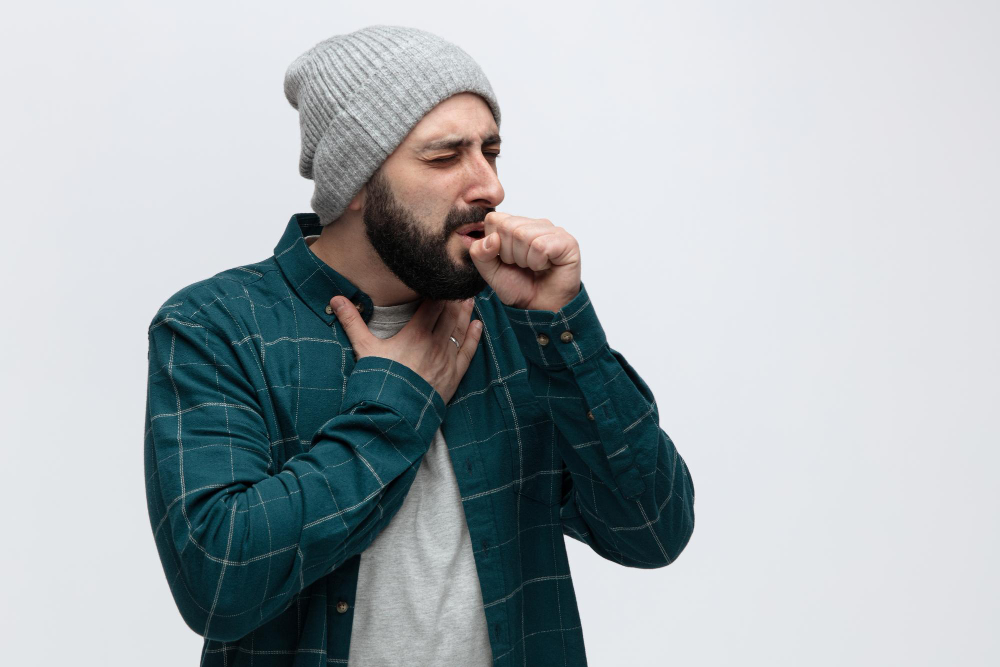
Cold and cough are usually caused by viral infections of the upper respiratory tract affecting the nose, throat, and airways. They spread through droplets and close contact and generally resolve within 7–10 days.
Causes of Cold & Cough
Most cases occur due to viral infections and spread rapidly in crowded or poorly ventilated spaces.
Viral Infections (Most Common Cause)
- Rhinovirus
- Influenza virus
- Common (non-COVID) coronaviruses
- Adenovirus
- Respiratory syncytial virus (RSV)
Triggers & Risk Factors (Weather, Allergies, Pollution)
- Sudden weather changes
- Allergies to dust, pollen, or pets
- Pollution and smoke exposure
- Weak immunity or poor nutrition
- Chronic stress and lack of sleep
How Cold and Cough Spread (Droplets & Contact)
- Droplets from coughing or sneezing
- Touching contaminated surfaces
- Close contact in homes, schools, offices, and public transport
Symptoms of Cold & Cough and Warning Signs
Symptoms usually begin within 1–3 days of infection, peak around day 3–4, and improve gradually.
Common Symptoms
- Runny or stuffy nose
- Sneezing
- Dry or productive cough
- Sore throat
- Mild fever
- Body aches and headache
- Fatigue and weakness
- Watery or irritated eyes
Severe Symptoms (Need Medical Attention)
- Very high or persistent fever
- Shortness of breath
- Chest pain
- Persistent cough >3 weeks
- Symptoms worsening after initial improvement
Seek urgent medical care for breathing difficulty, chest pain, confusion, severe dehydration, or if a child becomes very drowsy.
Diagnosis of Cold & Cough (When Tests Are Needed)
Most viral colds are diagnosed based on symptoms. Testing is needed only for severe, prolonged, or atypical cases.
Possible Diagnostic Tests
- Physical examination
- Nasal/throat swab for influenza or COVID-19
- Chest X-ray (if pneumonia suspected)
- Allergy tests for recurrent or seasonal symptoms
Treatment of Cold & Cough
Most viral infections resolve within 7–10 days. Treatment focuses on symptom relief and hydration.
Home Remedies and Self-Care
- Warm fluids (soups, herbal teas)
- Steam inhalation for congestion
- Warm salt-water gargles
- Adequate rest and hydration
Over-the-Counter Medicines (Use Responsibly)
- Paracetamol for fever and pain
- Antihistamines for runny/stuffy nose
- Nasal decongestants (short-term use only)
- Cough syrups (suppressants for dry cough, expectorants for wet cough)
When Antibiotics Are Needed
Antibiotics are only needed when a doctor confirms:
- Bacterial sinusitis
- Streptococcal throat infection
- Pneumonia
Most colds and coughs are viral and do not require antibiotics.
When to See a Doctor
- High fever
- Symptoms lasting >10 days
- Severe cough or wheezing
- Ear or sinus pain
- Thick green mucus with fever
- Worsening symptoms in children, elderly, or those with chronic illness
Surecare Homeopathic Doctors’ View in Treating Cold & Cough
Homeopathy considers colds and coughs as natural responses to infection and prescribes remedies based on individual symptoms such as:
- Type of cough (dry, wet, spasmodic)
- Time of worsening (night, morning)
- Type of mucus
- Associated symptoms (fever, headache, blocked nose)
- Weather sensitivity and emotional triggers
Homeopathy aims to:
- Support natural healing
- Reduce recurrence in frequent cold sufferers
- Provide gentle options suitable for children, elderly, and pregnant women (under guidance)
Research on homeopathy for URTI shows good results, so homeopathy is best used as a complementary therapy along with standard supportive care.
Prevention of Cold & Cough
Hygiene Measures
- Frequent handwashing
- Avoid touching nose, eyes, face
- Stay away from sick individuals
- Maintain room ventilation
- Wear a mask if sick
Boosting Immunity
- Adequate sleep
- Balanced diet
- Regular exercise
- Stress management
Diet for Cold & Cough: Foods to Eat and Avoid
A supportive diet helps immunity and eases symptoms.
Recommended Foods and Drinks
- Warm water and herbal teas (ginger, tulsi, turmeric)
- Turmeric milk
- Honey with warm water (not for babies under 1 year)
- Light soups (vegetable/chicken)
- Vitamin C–rich fruits (amla, orange, guava)
- Garlic, pepper, cloves
- Khichdi, porridge, dal
Foods to Avoid
- Cold drinks and ice creams
- Excess sugar
- Fried/on oily foods
- Packaged foods
- Very spicy or sour foods