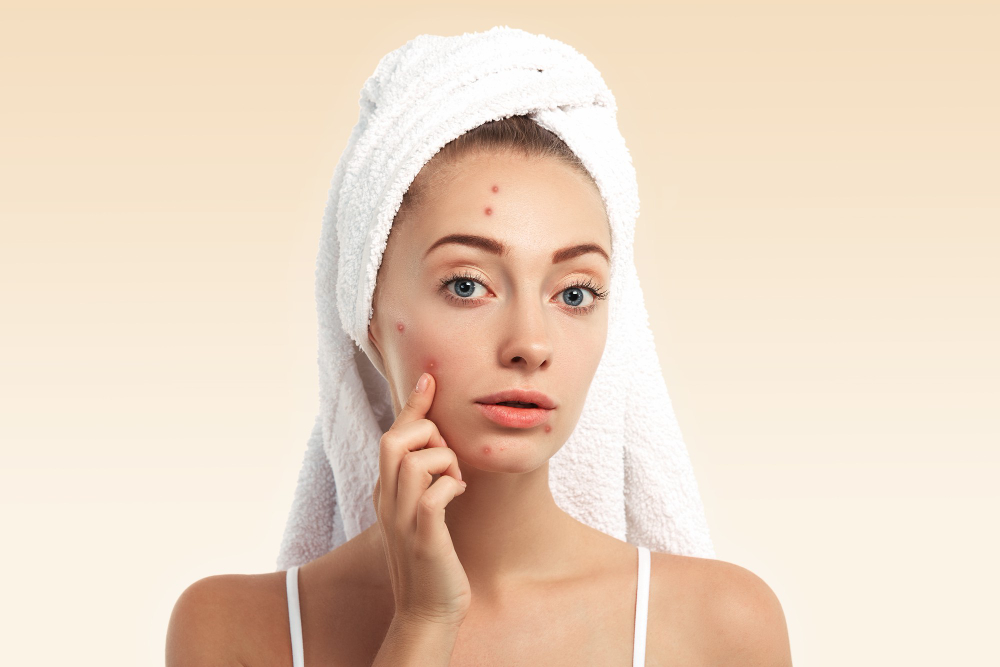
Acne is a highly prevalent skin disorder, impacting nearly 85% of people at some point. While acne is common in teens, it often appears in adults as well. Dermatology experts describe acne as a chronic inflammatory disease of the hair follicle and sebaceous (oil) glands, triggered by excess oil, clogged pores, bacteria, and hormonal changes.
Main Causes of Acne
Top dermatologists confirm four primary causes of acne:
1. Excess Oil (Sebum) Production
- Driven by androgens and hormone surges, leading to blocked pores.
2. Clogged Pores (Follicular Hyperkeratinization)
- Dead skin cells fail to shed, causing pore blockage.
3. Bacterial Overgrowth (Cutibacterium acnes)
- Bacteria multiply in clogged pores causing inflammation.
4. Hormonal Fluctuations
- Acne flares during puberty, menstrual cycles, pregnancy, PCOS, stress (cortisol spike).
Other Triggers:
- Oily cosmetics and heavy sunscreens
- Diet high in sugar, dairy, high-GI foods
- Sweating and friction (helmets, masks, caps)
Symptoms of Acne
Acne symptoms can vary from mild to severe:
- Blackheads (open comedones)
- Whiteheads (closed comedones)
- Red, tender bumps
- Pus-filled pimples
- Painful nodules
- Deep cysts (possible scarring)
Types of Acne (According to International Dermatology Standards)
1. Comedonal Acne
- Milder form: Blackheads (open) & Whiteheads (closed)
- Common in teens, adults with oily skin, heavy cosmetic use
2. Papular Acne
- Small, red, inflamed bumps—no pus
- Result from inflammation around clogged pores
3. Pustular Acne
- Red bumps with white/yellow pus center
- Indicates active bacterial infection
4. Nodular Acne
- Deep, hard, painful lumps under skin
- Lasting weeks–months; high risk of scarring
5. Cystic Acne
- Most severe & painful; soft, pus-filled deep lesions
- Risk of permanent scars if not treated
6. Acne Conglobata
- Severe, chronic type: interconnected nodules, cysts, ulcer-like lesions
- More common on back, chest, and arms
Special Dermatology Categories of Acne
- Hormonal Acne: Jawline breakouts, adult acne, linked to hormonal changes (menstruation, PCOS, thyroid)
- Acne Mechanica: Triggered by friction/pressure (helmets, masks, gym equipment)
- Cosmetic Acne (Acne Cosmetica): Caused by makeup, sunscreens, oils, comedogenic products
- Fungal Acne (Malassezia Folliculitis): Resembles acne but caused by yeast (chest, back, shoulders)
Homeopathic Approach to Acne (Dr. Rajashekar’s Insights)
At Surecare Homeopathy:
- Focus is on root causes (hormonal imbalance, stress, body heat, gut health, PCOS)
- Goals: regulate hormones, reduce inflammation, heal acne without scars, prevent recurrence, improve skin-gut immunity
Personalized treatments based on:
- Type and severity of acne
- Triggers and lifestyle
- Emotional patterns and hormonal status
Topical homeopathic or “natural” creams can support skin health, but effective homeopathic treatment relies on internal remedies for deep, whole-body healing.
Website: https://surecareproducts.com/
Tips for Safe Use of Homeopathic Acne Creams
- Patch Test: Test on a small skin area for 24 hours.
- Apply on Clean Skin after washing and drying.
- Consistency: Use as instructed (usually 1–3x/day).
- Combine with Internal Remedies for best results.
- Patience: Natural treatments may take weeks to show effect.
- Monitor Skin: Stop or reduce if dryness/irritation appears.
Pros: Gentle on most skin, may reduce pimples and pigmentation
Limitations: Not for severe/cystic acne, slower results, varies between people
Practitioner Recommendations
As a homeopathic doctor:
- Use creams with internal remedies for holistic acne management.
- Support the body’s internal balance (diet, stress, sleep, gut health) for optimal homeopathic results.
Lifestyle & Skin Care Tips for Acne Prevention
- Use non-comedogenic products
- Avoid washing too often
- Never pick or squeeze pimples
- Use gel-based moisturizers
- Change pillow covers regularly
- Reduce sugar, dairy, fried foods
- Practice stress management (yoga, meditation)