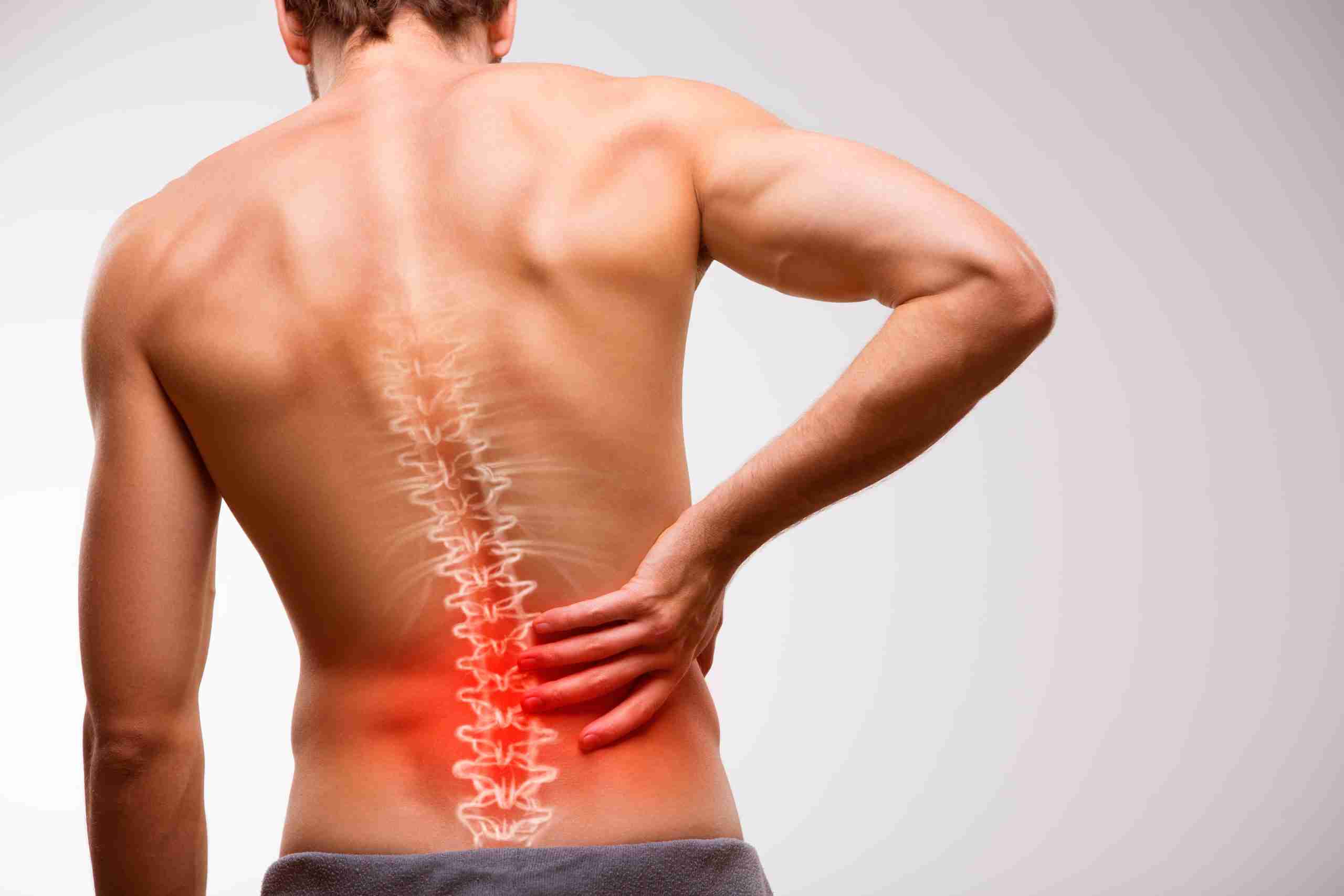
Backache (back pain) refers to pain in the upper, middle, or lower back. It can be acute or chronic and usually arises from mechanical strain, posture problems, lifestyle habits, muscle/ligament injuries, or spine-related conditions.
Causes of Backache (Back Pain)
Backache is most commonly caused by mechanical strain and lifestyle habits, though spine diseases and internal medical conditions can also contribute.
Mechanical and Lifestyle Causes of Back Pain
- Poor posture while sitting, standing, or using mobile/laptop
- Sedentary lifestyle; long hours of sitting or driving
- Heavy lifting with improper technique
- Muscle strain or ligament sprain
- Wrong sleeping position or a non-supportive mattress
- Weak core muscles
- Obesity increasing pressure on the spine
Spine-Related Causes (Disc, Nerve, Arthritis)
- Slip disc / herniated disc
- Sciatica due to nerve compression
- Spondylosis (age-related degeneration)
- Scoliosis (spinal curvature)
- Ankylosing spondylitis
- Spinal stenosis
- Osteoarthritis of the spine
Medical Conditions Causing Back Pain
- Kidney stones or kidney infections
- Osteoporosis and vertebral fractures
- Fibromyalgia and chronic pain syndromes
- Endometriosis or pelvic conditions in women
- Spinal infections (rare)
- Tumors or metastasis (very rare but serious)
Psychological Factors and Back Pain
Stress, anxiety, and depression increase muscle tension and pain perception, often worsening chronic backache.
Symptoms of Backache and Red Flag Warning Signs
Common Symptoms
- Pain in lower, middle, or upper back
- Muscle tightness and stiffness
- Difficulty bending, twisting, or standing long
- Muscle spasms
- Pain radiating to legs (sciatica)
- Tingling, numbness, or weakness (nerve involvement)
Severe “Red Flag” Symptoms (Need Urgent Care)
- Loss of bladder or bowel control
- Severe leg weakness or difficulty walking
- Unrelenting night pain
- Fever with back pain
- Unexplained weight loss or history of cancer
- Pain after major trauma
Red flag symptoms may indicate serious issues like cauda equina syndrome, infection, fracture, or tumor and require immediate emergency evaluation.
Diagnosis of Back Pain (Tests and Evaluation)
Medical History & Physical Examination
Doctors assess:
- Pain duration and pattern
- Location and radiation
- Posture and movement
- Neurological signs (reflexes, strength, sensation)
Diagnostic Tests (If needed)
- X-ray: bones, alignment, fractures, arthritis
- MRI: discs, nerves, spinal cord, herniated disc, stenosis
- CT scan: alternative detailed imaging
- Blood tests: infection or inflammation markers
- DEXA scan: checks for osteoporosis or fracture risk
Treatment of Backache
Home Remedies and Self-Care
- Hot compress for stiffness or chronic pain
- Cold compress for acute strain or injury
- Short rest (avoid long bed rest)
- Gentle stretching and walking
- Massage (in appropriate cases)
- Firm, supportive mattress and correct pillows
Medicines for Back Pain Relief (Medical Guidance Needed)
- Paracetamol
- NSAIDs (ibuprofen, diclofenac)
- Muscle relaxants
- Vitamin D and calcium supplements (if deficient)
- Nerve pain medicines (gabapentin, pregabalin) for sciatica
Physiotherapy, Exercises & Yoga
- Stretching and strengthening exercises
- Core muscle strengthening
- Posture correction and ergonomic training
- Spine mobilization/manual therapy
- Home exercise plan for long-term relief
Advanced Treatments and Surgery
- Epidural steroid injections (for severe radiculopathy/sciatica)
- Minimally invasive procedures for selected spine conditions
- Surgery only for nerve damage, structural instability, or failure of conservative treatment
Surecare Homeopathic Doctors’ View in Treating Backache
Homeopathy considers backache as a result of muscular imbalance, posture strain, constitutional tendencies, and emotional stress.
Recent small clinical trials show potential benefit of individualized homeopathy for chronic low back pain, but larger studies are needed, so homeopathy is best used as a complementary therapy along with physiotherapy and evidence-based medical care.
Prevention of Backache (Posture, Lifestyle, Sleep)
Posture Tips
- Sit upright with back support
- Avoid prolonged bending or hunching
- Use ergonomic chairs and proper desk setup
- Use lumbar support cushions
Lifestyle Habits
- Stay physically active
- Maintain healthy body weight
- Strengthen core and back muscles
- Avoid heavy lifting or use proper technique
- Take frequent breaks from long sitting/driving
Sleeping Habits
- Use a firm or medium-firm mattress
- Avoid stomach sleeping
- Side sleeping with a pillow between the legs helps alignment
Diet for Back Pain and Bone Health
Foods That Reduce Inflammation
- Turmeric, ginger, garlic
- Berries and colorful fruits
- Green leafy vegetables
- Nuts and seeds (chia, flaxseed, walnuts)
- Olive oil and healthy fats
Bone & Muscle Strengthening Foods
- Milk, curd, paneer (if tolerated)
- Eggs and fish (salmon, sardines)
- Almonds, sesame seeds
- Bananas (rich in potassium)
- Whole grains and pulses
Foods & Drinks to Limit
- Excess sugar and sweets
- Fried/processed foods
- Soft drinks and high-salt items
- Excess alcohol
Adequate water intake supports disc hydration and muscle function.