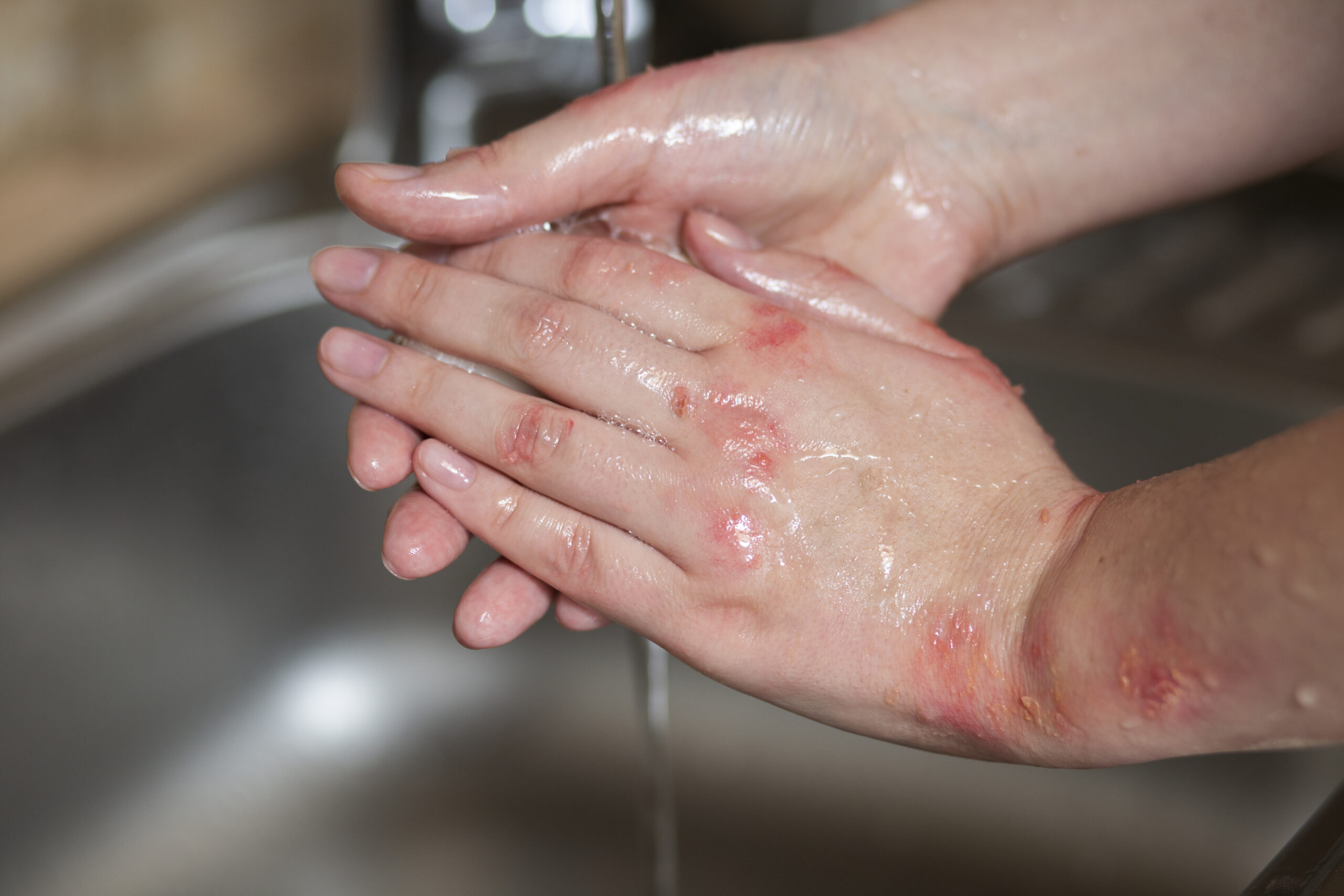
Eczema is one of the most prevalent skin conditions worldwide.
- 15–30% of children and 2–10% of adults develop eczema globally.
- A multinational survey across 20 countries reported 8–15% prevalence of atopic dermatitis.
- The Global Atopic Dermatitis Atlas (GADA) highlights major gaps in treatment access, especially in low- and middle-income countries.
Conclusion: Eczema is widespread, chronic, and often undertreated—making awareness and timely management crucial.
What Causes Eczema?
Eczema results from a combination of genetic, environmental, and immune-system factors.
1. Genetic Causes & Skin Barrier Dysfunction
- Mutations in genes like filaggrin (FLG) reduce the skin’s ability to retain moisture.
- A weak barrier allows irritants, allergens, and microbes to penetrate the skin more easily, causing inflammation and dryness.
2. Immune System Dysregulation
- People with eczema have an overreactive immune response.
- This triggers chronic inflammation and increases the risk of bacterial, fungal, and viral infections.
3. Environmental Triggers
Common flare triggers include:
- Dust mites
- Pollutants
- Pet dander
- Fragrances
- Soaps and detergents
- Heat or sweat
- Stress
- Changes in humidity
The skin microbiome (natural skin bacteria) is often imbalanced in eczema, worsening inflammation.
Common Symptoms of Eczema
People with eczema may experience:
- Dry, rough, or scaly skin
- Red or inflamed patches
- Severe itching (often worse at night)
- Small blisters that may ooze or crust
- Skin thickening from chronic scratching
- Burning or stinging sensations
- Increased susceptibility to skin infections
Types of Eczema (Dermatitis)
Eczema is an umbrella term with several subtypes. The major medically recognized types are:
1. Atopic Dermatitis
- Most common form
- Part of the atopic triad (eczema + asthma + allergic rhinitis)
2. Contact Dermatitis
Irritant Contact Dermatitis (ICD)
- Caused by detergents, soaps, chemicals.
Allergic Contact Dermatitis (ACD)
- Caused by allergens like nickel, perfumes, rubber, dyes.
3. Dyshidrotic Eczema (Pompholyx)
- Small, itchy blisters on hands and feet
- Triggered by sweating, stress, or metal allergy (e.g., nickel)
4. Nummular Eczema
- Round, coin-shaped lesions
- Often triggered by dry skin, injuries, or infections
5. Seborrheic Dermatitis
- Affects scalp, eyebrows, nose folds, and chest
- Causes greasy, yellowish scales
- Very common in infants (cradle cap)
6. Neurodermatitis
- Thickened skin due to chronic itching
- Often linked to stress or anxiety
7. Stasis Dermatitis
- Caused by poor circulation
- Seen in adults with varicose veins or leg swelling
8. Asteatotic Eczema
- Triggered by very dry skin, especially in winter
- Common in older adults
9. Hand Eczema
- Caused by irritants, allergens, or genetics
- Common in healthcare workers, cleaners, homemakers
How Is Eczema Diagnosed?
Diagnosis typically includes:
- Clinical examination by a dermatologist or homeopathy physician
- Medical and family history
- Identification of triggers
- Allergy testing (if necessary)
- Sometimes microbiome studies in research settings
How Is Eczema Treated?
Eczema is managed using multi-layered approaches:
1. Medication
(Allopathy: topical steroids, calcineurin inhibitors, antihistamines, biologics, antibiotics.)
Homeopathy: individualized remedies aimed at correcting internal imbalance.
Surecare Homeopathy’s Approach to Treating Eczema
At Surecare Homeopathy, Dr. Rajashekar Bogadi follows a holistic and scientific protocol focused on root-cause treatment instead of superficial symptom suppression.
Individualized Profiling
We analyze:
- Physical symptoms
- Emotional state
- Lifestyle factors
- Genetic predisposition
- Trigger patterns
- Diet and stress factors
Personalized Remedy Selection
- Totality of symptoms
- Type of eczema
- Accompanying physical and emotional traits
Strengthening the Skin Barrier
Customized homeopathic remedies help restore:
- Immune balance
- Skin integrity
- Moisture retention
Long-Term Relief & Flare Reduction
- Reduce flare frequency
- Decrease intensity of symptoms
- Achieve lasting skin healing
Stress & Lifestyle Support
As stress is a major trigger, patients are guided on:
- Stress management
- Sleep hygiene
- Skincare routines
- Trigger avoidance
Homeopathy is gentle, safe, holistic, and suitable for all ages—including children and pregnant women.
Skin Barrier Repair (Essential for All Eczema Patients)
- Use fragrance-free moisturizers
- Apply emollients after bath to lock moisture
- Limit hot water exposure
- Avoid harsh soaps, chemicals, and wool fabric
Trigger Management
Identify and avoid:
- Allergens
- Sweat
- Stress
- Dust mites
- Perfumes
- Household chemicals
Infection Prevention
Eczema-prone skin is more vulnerable to:
- Bacterial infections
- Fungal infections
- Viral infections (e.g., eczema herpeticum)
Timely treatment prevents complications.